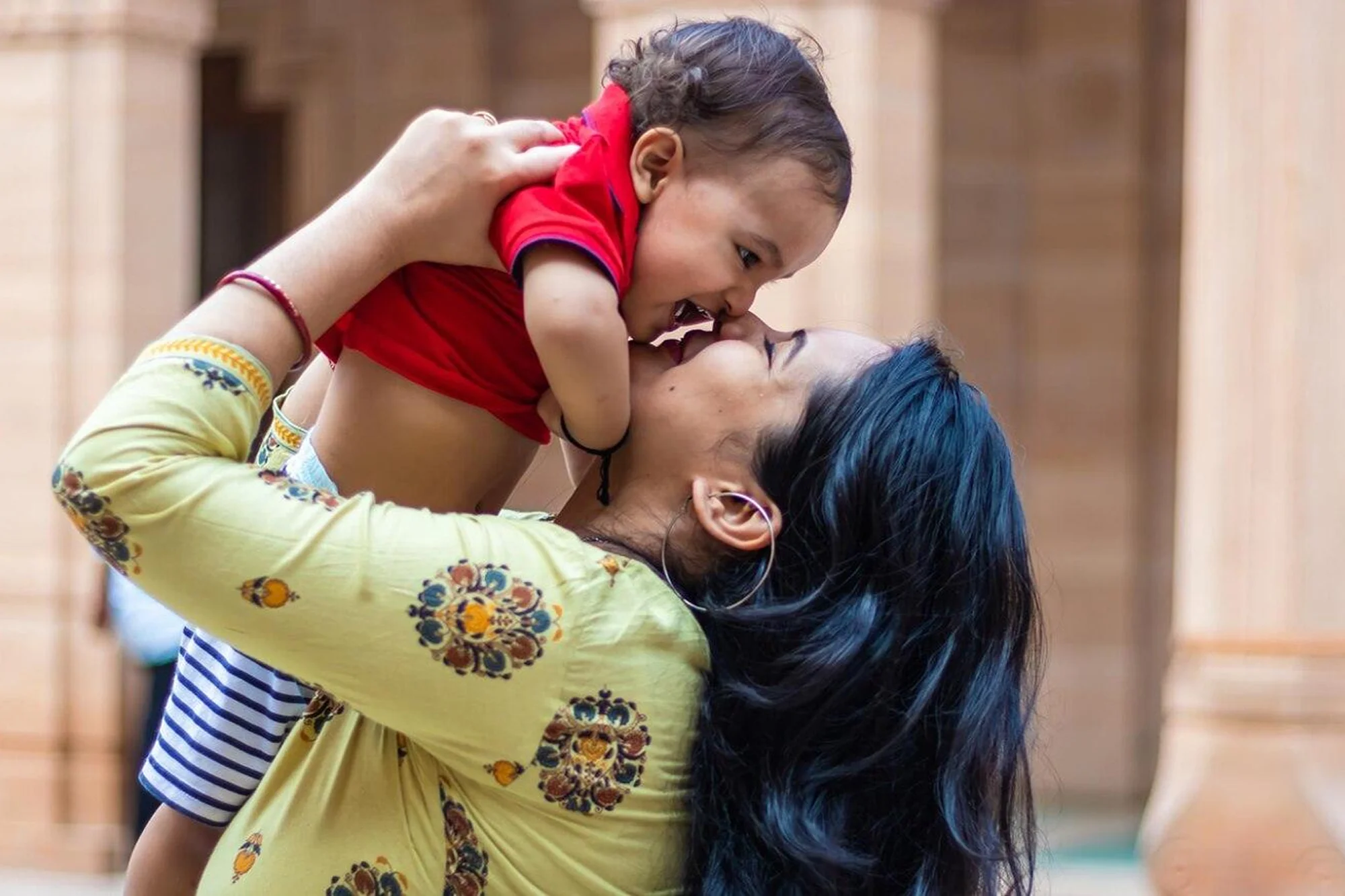
The First Six Weeks Are About More Than Recovery
Bringing a new baby into the world is a life-changing experience. The first six weeks after birth—often called the postpartum or “fourth trimester”—are filled with moments of joy, wonder, and love. They can also bring exhaustion, uncertainty, emotional ups and downs, and significant physical recovery.
While much of the focus naturally shifts to caring for a newborn, it’s equally important to care for the person who gave birth.
Your body is healing. Your emotions are adjusting. Your identity is evolving. All of these changes deserve patience, compassion, and support.
This guide will help you understand what to expect during the first six weeks after birth and how you can care for both your mind and body during this important transition.
Your Body Is Healing
Pregnancy and childbirth place extraordinary demands on the body. Recovery looks different for every mother, and there is no “right” timeline.
During the first few weeks, you may experience:
- Physical fatigue
- Vaginal bleeding (lochia)
- Perineal discomfort or C-section recovery
- Breast tenderness or breastfeeding challenges
- Hormonal changes
- Interrupted sleep
Healing takes time. Instead of comparing yourself to others, allow your body the space it needs to recover.
Remember: Rest is part of recovery—not a reward you have to earn.
Your Emotions May Feel Different Every Day
Many mothers are surprised by how quickly their emotions can change after birth.
One moment you may feel overwhelming joy, and the next you may feel anxious, tearful, or uncertain.
These emotional shifts are common and are influenced by:
- Hormonal changes
- Sleep deprivation
- Physical recovery
- New responsibilities
- Lifestyle adjustments
Feeling emotional does not mean you’re doing anything wrong. You’re adapting to one of life’s biggest transitions.
The Baby Blues vs. When to Seek More Support
Around 70–80% of mothers experience the “baby blues” during the first few days after childbirth.
Common signs include:
- Mood swings
- Crying easily
- Feeling overwhelmed
- Irritability
- Emotional sensitivity
These feelings usually improve within two weeks.
However, if sadness, anxiety, hopelessness, or emotional distress become more intense or continue beyond two weeks, it may be time to speak with a healthcare or mental health professional.
Seeking help early can make a meaningful difference.
Prioritize Rest Whenever Possible
Sleep may feel impossible with a newborn, but rest is essential for both physical healing and emotional wellbeing.
You don’t have to achieve perfect sleep. Instead, focus on creating opportunities for recovery.
Some simple ideas include:
- Sleep when your baby sleeps, when possible.
- Accept help from trusted family or friends.
- Share nighttime responsibilities if you have a partner or support person.
- Let go of unnecessary household expectations.
Your home doesn’t need to be perfect—your wellbeing matters more.
Nourish Your Body
Your body has worked incredibly hard.
Eating balanced meals, drinking enough water, and nourishing yourself regularly can support healing and improve your energy levels.
Try to include:
- Plenty of water throughout the day
- Fruits and vegetables
- Whole grains
- Protein-rich foods
- Healthy fats
Don’t worry about “bouncing back.”
Focus on rebuilding strength rather than returning to your pre-pregnancy body.
Recovery is not a race.
Be Kind to Your Mind
Motherhood often comes with unrealistic expectations.
You may feel pressure to:
- Have everything under control
- Bond instantly with your baby
- Keep the house organized
- Return to your normal routine quickly
The truth is that adjustment takes time.
Instead of striving for perfection, remind yourself:
- It’s okay to ask for help.
- It’s okay to have difficult days.
- It’s okay if everything doesn’t go as planned.
The way you speak to yourself matters.
Practice self-compassion the same way you would offer kindness to a close friend.
Stay Connected
One of the biggest challenges many new mothers face is isolation.
Even a short conversation with someone you trust can make a meaningful difference.
Stay connected by:
- Talking openly with your partner.
- Calling a friend or family member.
- Joining a mothers’ support group.
- Connecting with other parents who understand your experience.
- Reaching out to a mental health professional if you need extra support.
Healing is easier when you don’t have to do it alone.
Gentle Movement Can Help
Once your healthcare provider says it’s safe, gentle movement may support both physical recovery and emotional wellbeing.
This might include:
- Short walks outdoors
- Gentle stretching
- Deep breathing exercises
- Light postpartum exercises recommended by your healthcare provider
Movement isn’t about losing weight—it’s about helping your body recover and improving your overall wellbeing.
Always listen to your body and avoid pushing yourself too quickly.
Know the Signs That You May Need Extra Support
Every mother deserves support, especially when emotional challenges begin to interfere with daily life.
Consider reaching out to a professional if you experience:
- Persistent sadness lasting more than two weeks
- Constant anxiety or panic
- Feeling emotionally numb
- Difficulty bonding with your baby
- Ongoing feelings of hopelessness
- Trouble caring for yourself
- Withdrawal from family or friends
These experiences are more common than many people realize, and effective support is available.
Remember: You Don’t Have to Do Everything Alone
One of the greatest myths about motherhood is that asking for help means you’re not strong enough.
The opposite is true.
Seeking support is one of the strongest decisions a mother can make.
Whether it’s accepting help with meals, asking someone to watch the baby while you rest, talking with a trusted friend, or meeting with a therapist, every small step toward support matters.
How Moner Angon Can Support You
At Moner Angon, we understand that the postpartum period is about much more than caring for a newborn—it’s also about caring for the mother.
Our therapists provide compassionate, evidence-based support for mothers navigating postpartum depression, anxiety, emotional overwhelm, identity changes, relationship challenges, and the everyday adjustments of motherhood.
Through individual therapy, educational resources, and supportive community programs, we’re here to help you feel understood, empowered, and never alone.
A Gentle Reminder
The first six weeks after birth are not about having everything figured out.
They are about healing.
Learning.
Adjusting.
Growing.
Some days will feel easier than others, and that’s okay.
Be patient with yourself. Celebrate small victories. Accept support when it’s offered. And remember that caring for yourself is not separate from caring for your baby—it is an essential part of it.
At Moner Angon, we believe every mother deserves the same compassion she so freely gives to everyone else.
Because when a mother is cared for, she is better able to care for the people she loves.

 English