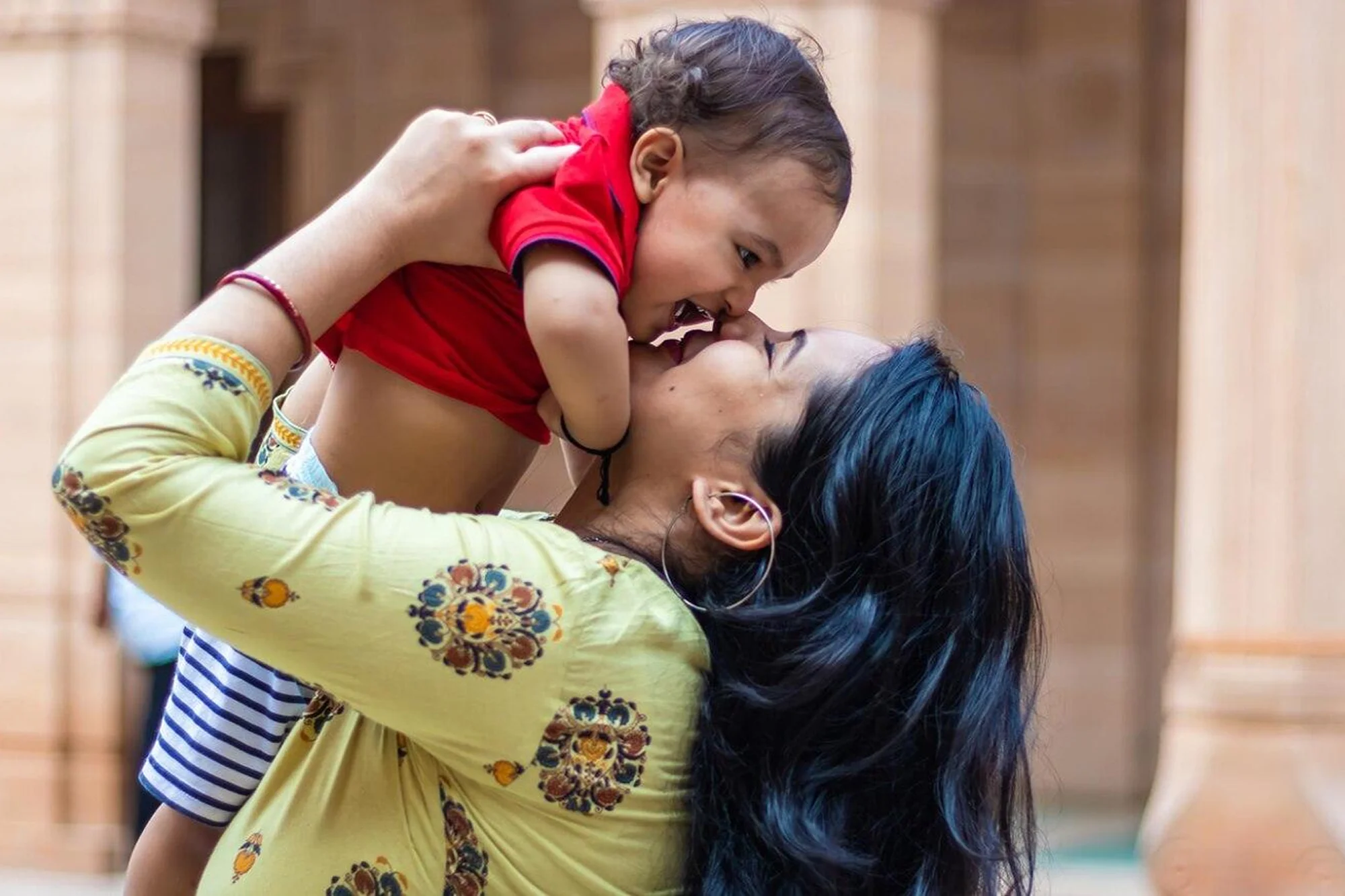
When a Mother Is Supported, the Whole Family Thrives
Motherhood is often seen as a personal journey, but in reality, a mother’s wellbeing influences everyone around her. Her emotional health shapes the way she connects with her child, communicates with her partner, and experiences daily family life.
When a mother feels supported, understood, and emotionally well, the positive effects extend far beyond her own wellbeing. Likewise, when she struggles without support, those challenges can ripple throughout the family.
Understanding the importance of maternal mental health isn’t only about caring for mothers—it’s about building healthier families, stronger relationships, and brighter futures for children.
What Is Maternal Mental Health?
Maternal mental health refers to a mother’s emotional, psychological, and social wellbeing during pregnancy, after childbirth, and throughout every stage of motherhood.
It includes much more than postpartum depression or anxiety.
Maternal mental health also involves how a mother copes with stress, manages changing responsibilities, adapts to life transitions, builds relationships, and takes care of her own emotional wellbeing while caring for others.
Every mother deserves support, not only when she is struggling but throughout her motherhood journey.
Why a Mother’s Wellbeing Matters
Mothers are often the emotional center of their families.
They comfort, organize, nurture, encourage, and care for others every day.
When a mother feels emotionally healthy, she often has more capacity to:
- Respond calmly during stressful moments.
- Build positive relationships with her children.
- Communicate openly with her partner.
- Enjoy family experiences.
- Balance responsibilities more effectively.
Supporting mothers strengthens the entire family system.
The Impact on Children
Children do not need perfect parents.
They need caregivers who feel supported enough to respond with love, patience, and consistency.
When mothers receive the care they need, children often benefit from:
Stronger Emotional Bonds
A mother’s emotional wellbeing can help create secure, trusting relationships that support healthy emotional development.
Better Emotional Learning
Children learn how to understand and express emotions by watching the adults around them.
When mothers practice healthy coping strategies and self-care, children begin learning those skills too.
Greater Sense of Security
A supportive home environment helps children feel safe, valued, and emotionally connected.
Healthy Development
While many factors influence child development, emotionally healthy family relationships can positively support children’s social, emotional, and cognitive growth.
The Impact on Partners
Becoming parents changes relationships in many ways.
Both partners often experience new responsibilities, changing routines, and increased stress.
When maternal mental health challenges go unrecognized, partners may experience:
- Increased stress
- Feelings of helplessness
- Communication difficulties
- Emotional distance
- Caregiver burnout
Open conversations and shared support can strengthen relationships during this major life transition.
Parenthood works best as a team effort.
The Impact on the Family Environment
A family’s emotional wellbeing is shaped by the wellbeing of every member.
When mothers feel supported, families often experience:
- Healthier communication
- Greater emotional connection
- Reduced conflict
- Improved problem-solving
- More positive family routines
Creating space for a mother’s mental health is an investment in the wellbeing of the entire household.
Why Many Mothers Put Themselves Last
Many mothers naturally focus on caring for everyone else before themselves.
They may believe that asking for help is selfish or that they should be able to manage everything on their own.
Over time, this can lead to:
- Emotional exhaustion
- Chronic stress
- Burnout
- Anxiety
- Depression
Caring for yourself isn’t taking away from your family.
It’s one of the most meaningful ways to care for them.
Small Ways Families Can Support Mothers
Supporting maternal mental health doesn’t always require grand gestures.
Small acts of kindness can make a meaningful difference.
Family members can:
- Ask how the mother is feeling—and truly listen.
- Encourage rest without guilt.
- Share household responsibilities.
- Offer practical help with childcare or meals.
- Respect her need for personal time.
- Encourage professional support when needed.
- Celebrate her efforts instead of expecting perfection.
Sometimes, simply saying, “You’re doing an amazing job, and you don’t have to do this alone,” can provide tremendous comfort.
Building a Family That Supports Emotional Wellbeing
Healthy families create space for honest conversations.
Instead of asking,
“Did you get everything done today?”
Try asking,
“How are you feeling today?”
Simple questions create opportunities for connection.
When emotional wellbeing becomes part of everyday family life, everyone benefits.
When It’s Time to Seek Additional Support
If emotional challenges begin affecting daily life, relationships, or overall wellbeing, professional support can help.
There is no “right” time to ask for help.
You don’t have to wait until you’re overwhelmed.
Early support often makes recovery easier and helps families navigate challenges together.
How Moner Angon Supports Families
At Moner Angon, we believe that supporting mothers means supporting entire families.
Our therapists provide compassionate, evidence-based care for mothers experiencing anxiety, postpartum depression, emotional overwhelm, relationship challenges, parenting concerns, and major life transitions.
Beyond therapy, we also provide educational resources and a supportive community that encourages families to better understand maternal mental health and create environments where mothers feel seen, heard, and valued.
Because every mother deserves support—and every family benefits when she receives it.
A Final Thought
The wellbeing of a family does not depend on having a perfect mother.
It depends on having a supported one.
When mothers are given permission to rest, ask for help, express their emotions, and prioritize their mental health, families become stronger, relationships become healthier, and children grow up in environments filled with greater understanding and compassion.
At Moner Angon, we believe that maternal mental health is not just a mother’s responsibility—it is something families, communities, and society should care about together.
Because when a mother feels seen, heard, and supported, everyone around her has the opportunity to flourish.

 English