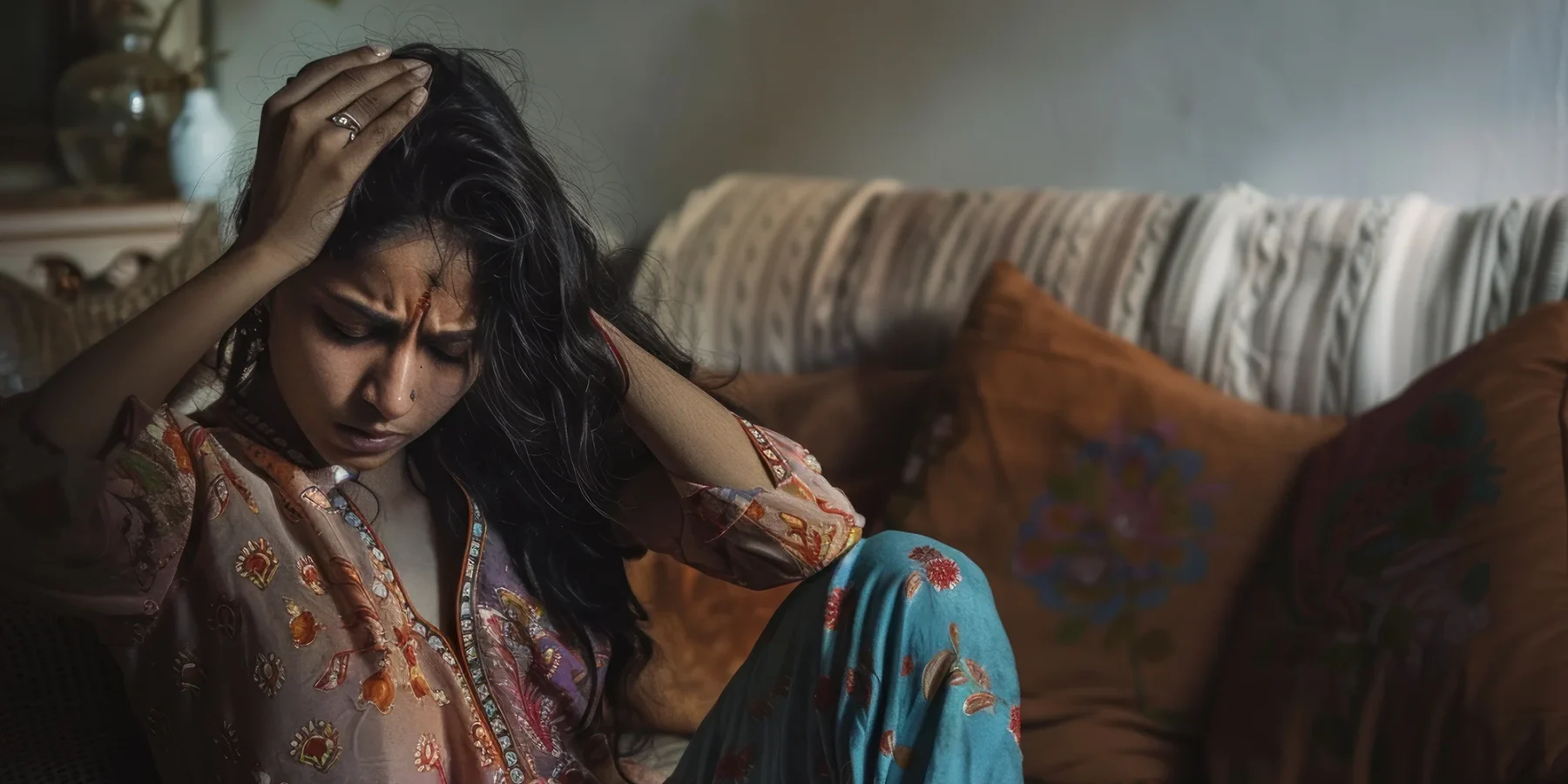
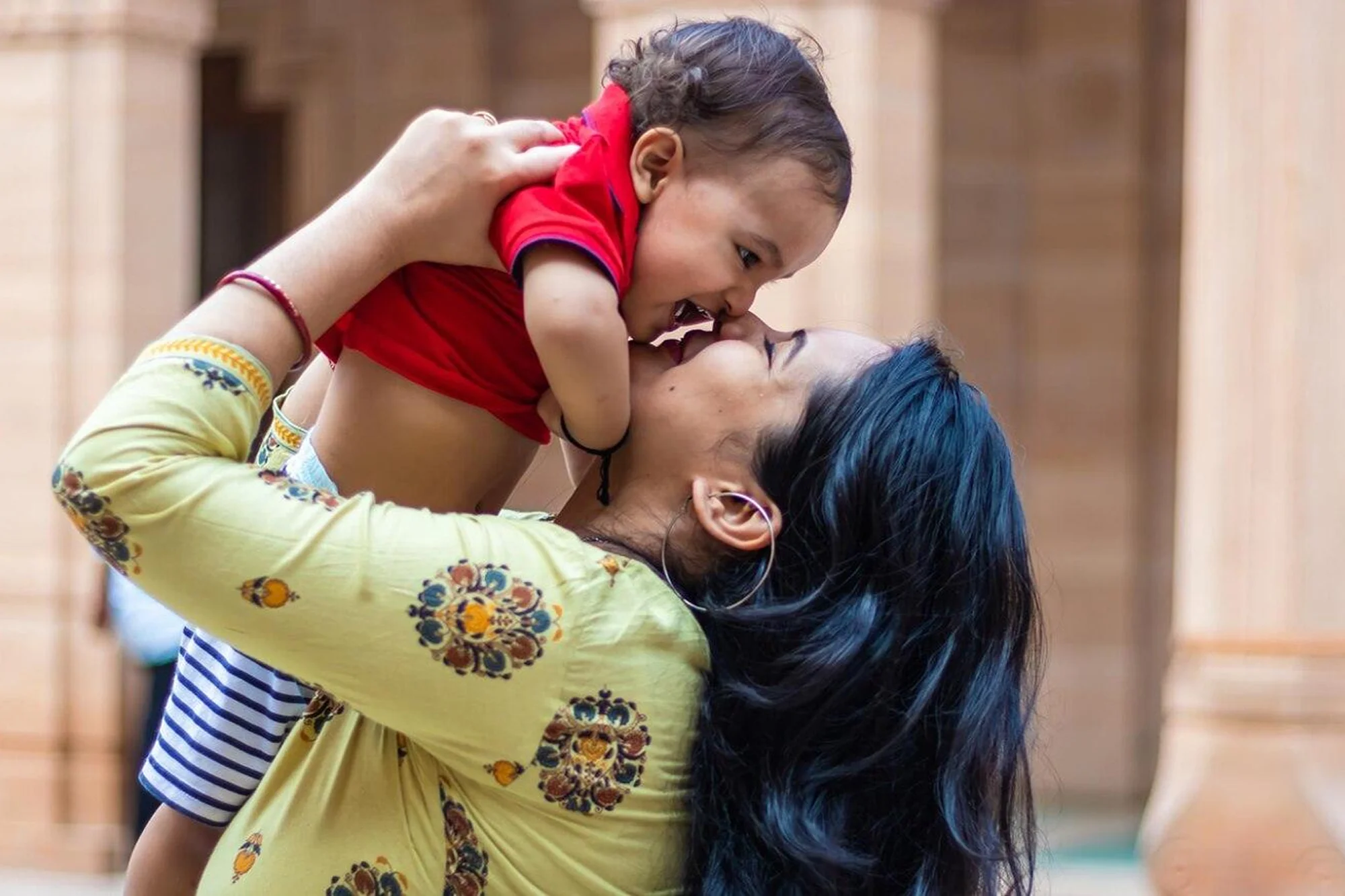
মিথ: "প্রসব-পরবর্তী বিষণ্নতা মানে শুধু বেবি ব্লুজ।"
বাস্তবতা: কিছু উপসর্গ মিল থাকতে পারে, কিন্তু দুটো এক নয়।
অনেক নতুন মাকে বলা হয় যে সন্তান জন্মের পর আবেগপ্রবণ হয়ে পড়া “একেবারেই স্বাভাবিক।” যদিও সন্তান জন্মের পর প্রথম কয়েক দিনে আবেগের ওঠানামা খুবই সাধারণ, তবুও এটা বোঝা সমানভাবে জরুরি যে প্রতিটি আবেগগত কষ্টই শুধু বেবি ব্লুজ নয়।.
মাতৃত্বকালীন মানসিক স্বাস্থ্য নিয়ে সবচেয়ে বড় ভুল ধারণাগুলোর একটি হলো—প্রসব-পরবর্তী বিষণ্নতা আর বেবি ব্লুজ একই অবস্থা।
তারা এক নয়।
দুটোর পার্থক্য জানা মায়েদের বুঝতে সাহায্য করতে পারে কখন তাঁদের অতিরিক্ত সহায়তার প্রয়োজন হতে পারে—এবং এটাও মনে করিয়ে দেয় যে সাহায্য চাওয়া দুর্বলতা নয়, বরং শক্তির পরিচয়।
বেবি ব্লুজ কী?
“বেবি ব্লুজ” বলতে সন্তান জন্মের পর অল্প সময়ের জন্য দেখা দেওয়া সাময়িক আবেগগত পরিবর্তনকে বোঝায়, যা অনেক মা অনুভব করেন।
এই অনুভূতিগুলোর প্রধান কারণ হলো:
- হরমোনের দ্রুত পরিবর্তন
- সন্তান জন্মের পর শারীরিক পুনরুদ্ধার
- পর্যাপ্ত ঘুমের অভাব
- নবজাতকের যত্ন নেওয়ার সঙ্গে মানিয়ে নেওয়া
- জীবনের বড় ধরনের পরিবর্তন
বেবি ব্লুজ খুবই সাধারণ এবং সন্তান জন্মের পর প্রথম কয়েক দিনে অনেক মায়ের মধ্যেই এটি দেখা যায়।
সাধারণ উপসর্গগুলোর মধ্যে থাকতে পারে:
- মেজাজের ওঠানামা
- সহজেই কেঁদে ফেলা
- আবেগপ্রবণ বা সংবেদনশীল অনুভব করা
- খিটখিটে মেজাজ
- সবকিছু সামলাতে না পারার অনুভূতি
- হালকা উদ্বেগ
এই অনুভূতিগুলো তীব্র মনে হতে পারে, তবে সাধারণত সন্তান জন্মের প্রথম কয়েক দিনের মধ্যেই শুরু হয় এবং প্রায় দুই সপ্তাহের মধ্যে নিজে থেকেই কমে যায়।
প্রসব-পরবর্তী বিষণ্নতা কী?
প্রসব-পরবর্তী বিষণ্নতা (PPD) হলো একটি চিকিৎসাগত মানসিক স্বাস্থ্যগত অবস্থা, যা সন্তান জন্মের পর দেখা দিতে পারে।
বেবি ব্লুজের তুলনায় প্রসব-পরবর্তী বিষণ্নতা হলো:
- অনেক বেশি তীব্র
- দীর্ঘস্থায়ী
- দৈনন্দিন জীবনে বেশি বিঘ্ন সৃষ্টিকারী
সঠিক সহায়তা না পেলে এটি মায়ের মানসিক সুস্থতা, সম্পর্ক, আত্মবিশ্বাস এবং নিজের যত্ন নেওয়ার সক্ষমতাকে প্রভাবিত করতে পারে।
সবচেয়ে গুরুত্বপূর্ণ বিষয় হলো, প্রসব-পরবর্তী বিষণ্নতা কোনো ব্যক্তিগত ব্যর্থতা নয়।.
এটি একটি চিকিৎসাযোগ্য স্বাস্থ্যগত অবস্থা, যা পেশাদার যত্ন ও সহানুভূতির যোগ্য।
বেবি ব্লুজ বনাম প্রসব-পরবর্তী বিষণ্নতা
কিছু উপসর্গ মিল থাকলেও, দুটির মধ্যে গুরুত্বপূর্ণ পার্থক্য রয়েছে।
বেবি ব্লুজ
- সাধারণত সন্তান জন্মের কয়েক দিনের মধ্যেই শুরু হয়।
- দুই সপ্তাহের মধ্যে নিজে থেকেই ভালো হয়ে যায়।
- উপসর্গ সাধারণত হালকা হয়।
- আবেগের ওঠানামা থাকলেও মায়েরা ইতিবাচক মুহূর্ত উপভোগ করতে পারেন।
- সাধারণত পেশাদার চিকিৎসার প্রয়োজন হয় না।
প্রসব-পরবর্তী বিষণ্নতা
- উপসর্গ দুই সপ্তাহের বেশি স্থায়ী হয়।
- মানসিক কষ্ট আরও স্থায়ী হয়ে ওঠে।
- দৈনন্দিন দায়িত্বগুলো সামলানো কঠিন মনে হতে থাকে।
- অনুভূতিগুলো সম্পর্ক, নিজের যত্ন এবং দৈনন্দিন জীবনে বাধা সৃষ্টি করতে পারে।
- প্রায়ই পেশাদার সহায়তার পরামর্শ দেওয়া হয়।
যদি আবেগগত কষ্ট প্রথম কয়েক সপ্তাহের পরও চলতে থাকে বা আরও খারাপ হতে শুরু করে, তাহলে একজন স্বাস্থ্যসেবা বা মানসিক স্বাস্থ্য পেশাদারের সঙ্গে কথা বলা জরুরি।
প্রসব-পরবর্তী বিষণ্নতার সাধারণ লক্ষণ
প্রতিটি মায়ের অভিজ্ঞতা আলাদা, তবে সাধারণ লক্ষণগুলোর মধ্যে থাকতে পারে:
- দীর্ঘস্থায়ী দুঃখ বা নিরাশা
- আগে উপভোগ করা কাজগুলোর প্রতি আগ্রহ হারিয়ে ফেলা
- নবজাতকের যত্নজনিত স্বাভাবিক ক্লান্তির চেয়েও বেশি স্থায়ী অবসাদ
- বিচ্ছিন্ন লাগা বা আবেগশূন্য অনুভব করা
- মনোযোগ দিতে বা সিদ্ধান্ত নিতে অসুবিধা
- অপরাধবোধ বা নিজেকে মূল্যহীন মনে হওয়া
- প্রায় প্রতিদিনই সবকিছু সামলাতে না পারার অনুভূতি
- শিশুর সঙ্গে আবেগগত বন্ধন তৈরি করতে অসুবিধা
- নবজাতকের কারণে হওয়া স্বাভাবিক ঘুম বা খাওয়ার পরিবর্তনের চেয়েও বেশি পরিবর্তন
এই লক্ষণগুলোর এক বা একাধিক দেখা দিলেই যে কারও প্রসব-পরবর্তী বিষণ্নতা আছে—তা নিশ্চিতভাবে বলা যায় না, তবে এগুলো এমন গুরুত্বপূর্ণ সংকেত, যা গুরুত্ব দিয়ে দেখা উচিত।
এই মিথ কেন ক্ষতিকর হতে পারে
যখন মানুষ বলে,
"এটা তো শুধু বেবি ব্লুজ,"
তখন তারা অনিচ্ছাকৃতভাবে মায়ের অভিজ্ঞতাকে ছোট করে দেখতে পারে।
এই ভুল বোঝাবুঝির কারণে সহায়তা পেতে দেরি হতে পারে, কারণ অনেক মা ভাবতে শুরু করেন যে তাঁদের শুধু “অপেক্ষা করে যেতে হবে।”
ফলে অনেক নারী সপ্তাহ বা মাস ধরে কষ্ট পেতে থাকেন, অথচ বুঝতেই পারেন না যে কার্যকর সহায়তা পাওয়া সম্ভব।
প্রসব-পরবর্তী বিষণ্নতা শুরুতেই শনাক্ত করতে পারলে সুস্থ হয়ে ওঠা সহজ হয় এবং অপ্রয়োজনীয় মানসিক কষ্ট কমে।
কেন কিছু মা সাহায্য চান না
উপসর্গ খুব বেশি কষ্টদায়ক হয়ে উঠলেও অনেক মা সাহায্য চাইতে দ্বিধা করেন।
এর কিছু সাধারণ কারণ হলো:
বিচার হওয়ার ভয়
তাঁরা ভয় পান, অন্যরা হয়তো তাঁদের ভালো মা বা বাবা হওয়ার সক্ষমতা নিয়ে প্রশ্ন তুলবে।
অপরাধবোধ
অনেক মা মনে করেন, তাঁদের সব সময় কৃতজ্ঞ থাকা উচিত, আর তা না হলে তাঁরা অপরাধবোধে ভোগেন।
সচেতনতার অভাব
কিছু মা মনে করেন, তাঁদের উপসর্গগুলো শুধু মাতৃত্বের সঙ্গে মানিয়ে নেওয়ারই অংশ।
সবার আগে অন্যদের প্রয়োজনকে গুরুত্ব দেওয়া
নতুন মায়েরা প্রায়ই শিশুর প্রয়োজনকে আগে রাখেন এবং নিজের মানসিক সুস্থতাকে উপেক্ষা করেন।
কিন্তু নিজের যত্ন নেওয়া স্বার্থপরতা নয়—এটা অত্যন্ত জরুরি।
কখন সহায়তা নেওয়া উচিত?
অসহ্য হয়ে যাওয়া পর্যন্ত অপেক্ষা করার দরকার নেই।
নিচের যেকোনো পরিস্থিতিতে সহায়তা নেওয়ার কথা ভাবুন:
- আপনার উপসর্গ দুই সপ্তাহের বেশি স্থায়ী হলে।
- দৈনন্দিন কাজগুলো ক্রমশ কঠিন মনে হলে।
- উদ্বেগ বা দুঃখ আপনার দৈনন্দিন জীবনকে প্রভাবিত করলে।
- আপনি প্রিয়জনদের থেকে নিজেকে গুটিয়ে নিতে শুরু করলে।
- নিজেকে আর আগের মতো মনে না হলে।
- শিশুর সঙ্গে মুহূর্তগুলো উপভোগ করতে বা নিজের যত্ন নিতে অসুবিধা হলে।
শুরুতেই সহায়তা নিলে সাধারণত ভালো ফল পাওয়া যায় এবং সুস্থ হয়ে ওঠার প্রক্রিয়াও সহজ হয়।
সুস্থ হয়ে ওঠা সম্ভব
প্রতিটি মায়ের জানা সবচেয়ে গুরুত্বপূর্ণ বিষয়গুলোর একটি হলো:
প্রসব-পরবর্তী বিষণ্নতা চিকিৎসাযোগ্য।
পেশাদার যত্ন, আবেগগত সহায়তা, বাস্তবসম্মত দিকনির্দেশনা এবং নিজের প্রতি সহানুভূতির সঠিক সমন্বয়ে সম্পূর্ণ সুস্থ হয়ে ওঠা সম্ভব।
সুস্থ হয়ে ওঠা এক রাতেই হয় না, তবে প্রতিটি ছোট পদক্ষেপই গুরুত্বপূর্ণ।
আপনাকে একা এই পথ পাড়ি দিতে হবে না।
মনের অঙ্গন কীভাবে সাহায্য করতে পারে
মনের অঙ্গনে আমরা বুঝি, প্রতিটি মায়ের যাত্রা আলাদা।
আপনি যদি আবেগগতভাবে অতিরিক্ত চাপে থাকেন, প্রসব-পরবর্তী বিষণ্নতা বা প্রসব-পরবর্তী উদ্বেগে ভোগেন, কিংবা শুধু কারও সঙ্গে কথা বলতে চান—আমাদের টিম সহানুভূতিশীল, গোপনীয় এবং প্রমাণভিত্তিক সহায়তা দিতে প্রস্তুত।
ব্যক্তিগত থেরাপি, শিক্ষামূলক রিসোর্স, সাপোর্ট গ্রুপ এবং যত্নশীল কমিউনিটির মাধ্যমে আমরা মায়েদের মাতৃত্বের প্রতিটি ধাপে বোঝা, শক্তিশালী এবং সমর্থিত অনুভব করতে সাহায্য করি।
কারণ প্রতিটি মায়েরই সুস্থ হয়ে ওঠার জন্য একটি নিরাপদ আশ্রয় প্রাপ্য।
শেষ কথা
সন্তান জন্মের পর আবেগের ওঠানামা হওয়া স্বাভাবিক।
আর যদি সেই অনুভূতিগুলো নিজে থেকেই না কমে, সেটাও স্বাভাবিকভাবেই গুরুত্ব পাওয়ার মতো বিষয়।
সবচেয়ে গুরুত্বপূর্ণ হলো পার্থক্যটা বুঝতে পারা।
বেবি ব্লুজ সাময়িক।
প্রসব-পরবর্তী বিষণ্নতা মনোযোগ, সহানুভূতি এবং পেশাদার সহায়তার যোগ্য।
যদি আপনি কষ্টে থাকেন, মনে রাখুন:
আপনি একা নন।
আপনি ব্যর্থ হচ্ছেন না।
আর মাতৃত্বের পথ আপনাকে কখনো নীরবে একা সামলাতে হবে না।
মনের অঙ্গনে আমরা বিশ্বাস করি, একজন মায়ের মানসিক স্বাস্থ্যের যত্ন নেওয়া তাঁর পরিবার, ভবিষ্যৎ এবং সামগ্রিক সুস্থতার যত্ন নেওয়ার সবচেয়ে অর্থবহ উপায়গুলোর একটি।
কারণ প্রতিটি মায়েরই দেখা, শোনা এবং সমর্থিত অনুভব করার অধিকার আছে।

 Bengali